Texas Wildbuds
Toxicodendron radicans
(Eastern Poison Ivy)
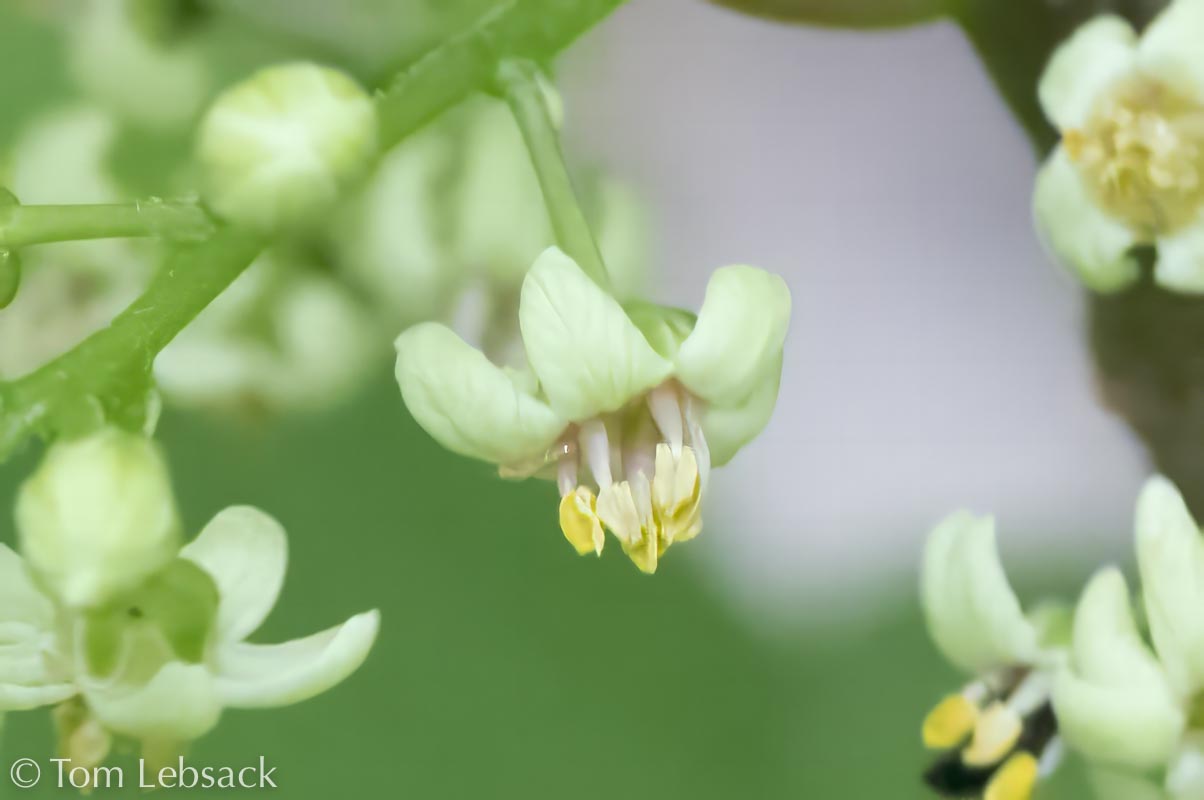
Toxicondendron radicans, Bonham State Park, Fannin Co. 5156
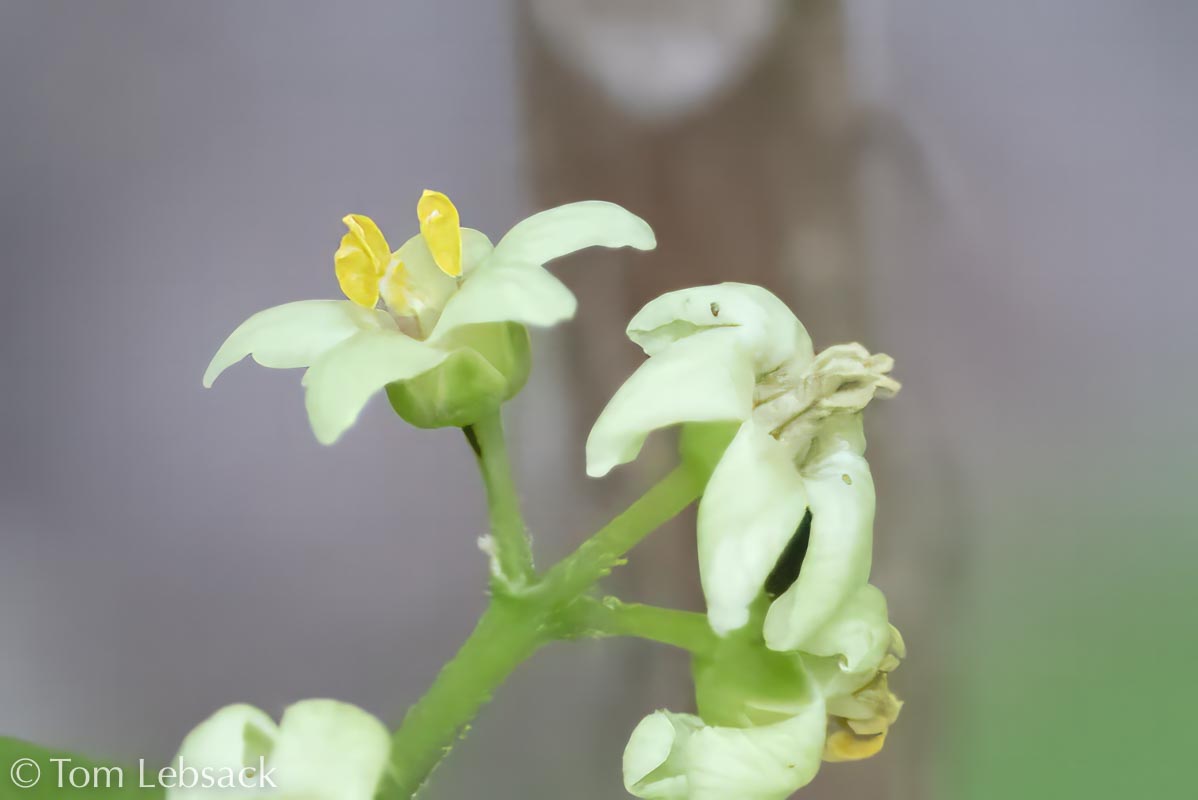
Toxicondendron radicans, Bonham State Park, Fannin Co. 5162
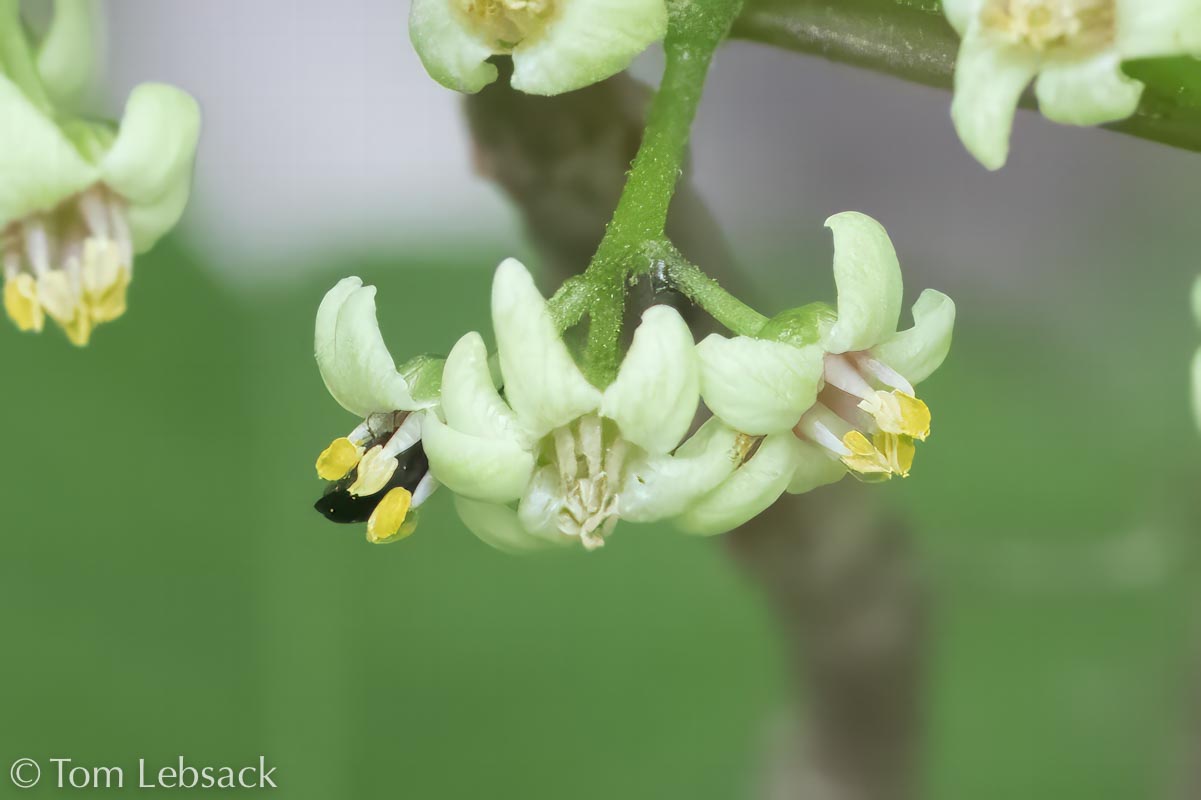
Toxicondendron radicans, Bonham State Park, Fannin Co. 5159
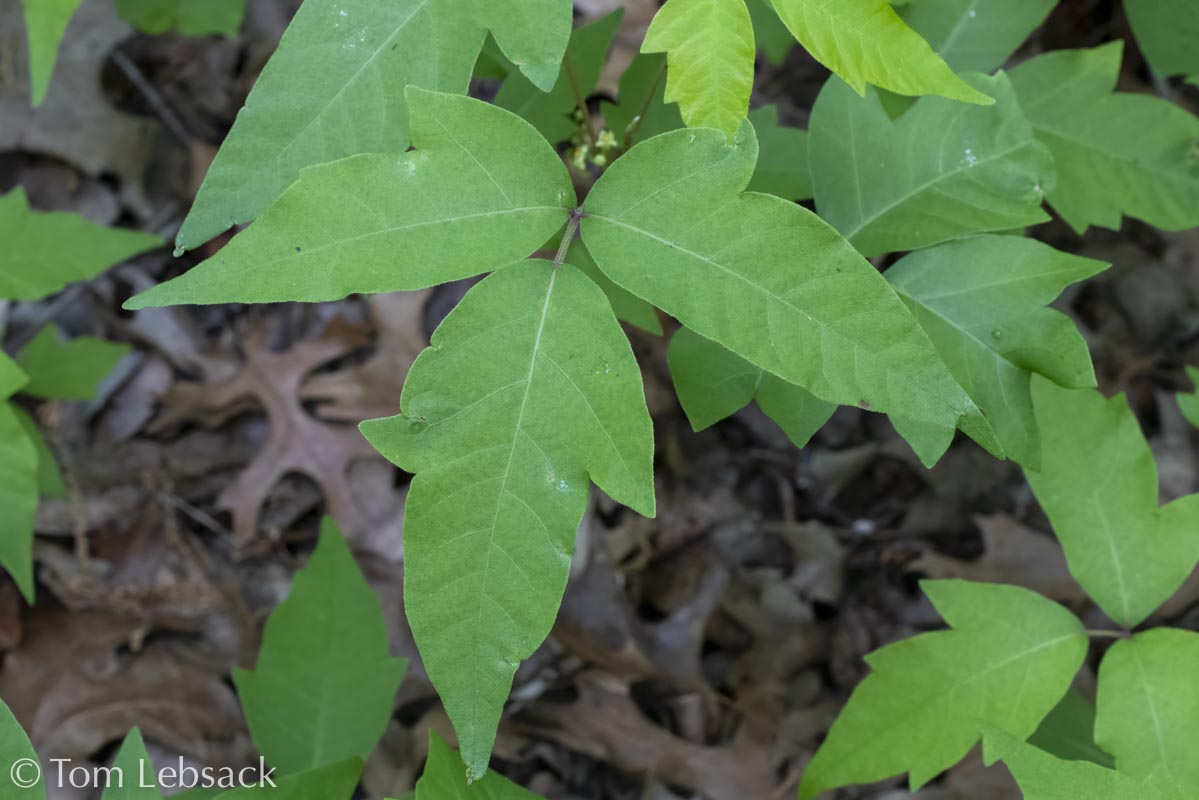
Toxicondendron radicans, Bonham State Park, Fannin Co. 5166
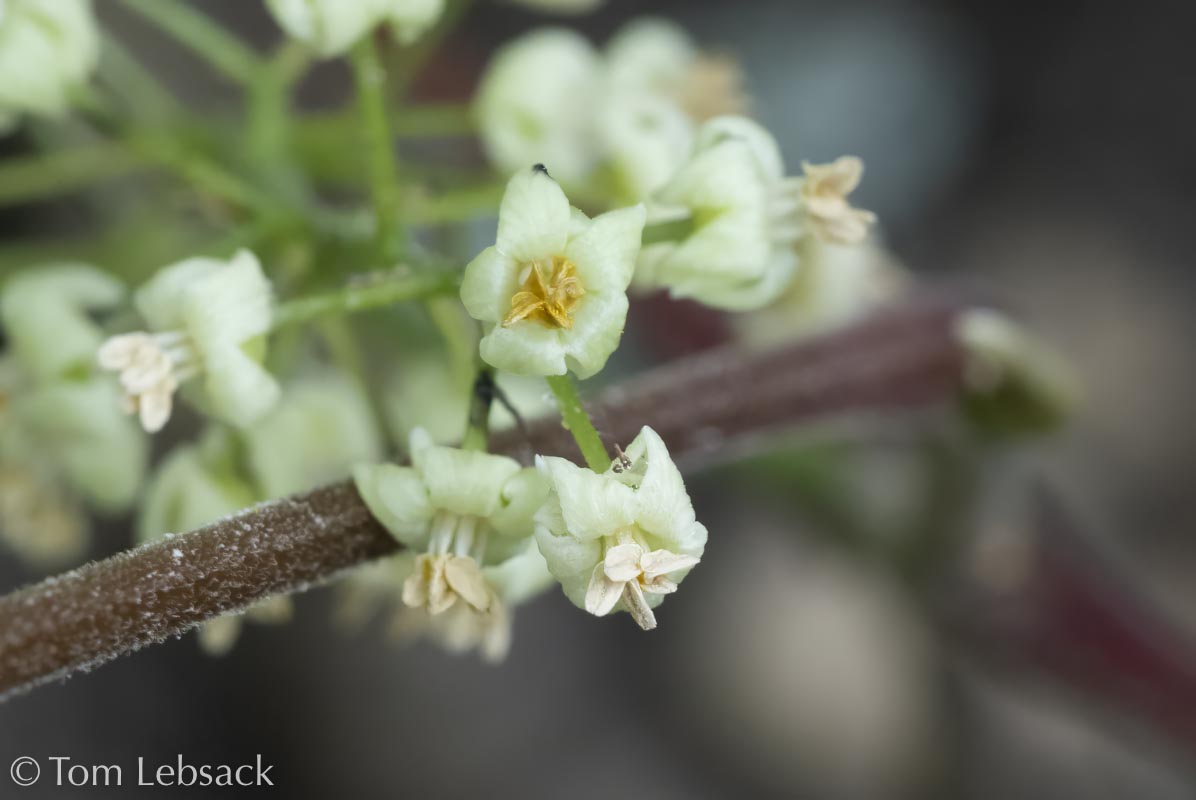
Toxicondendron radicans, Lockhart State Park, Caldwell Co. 4434
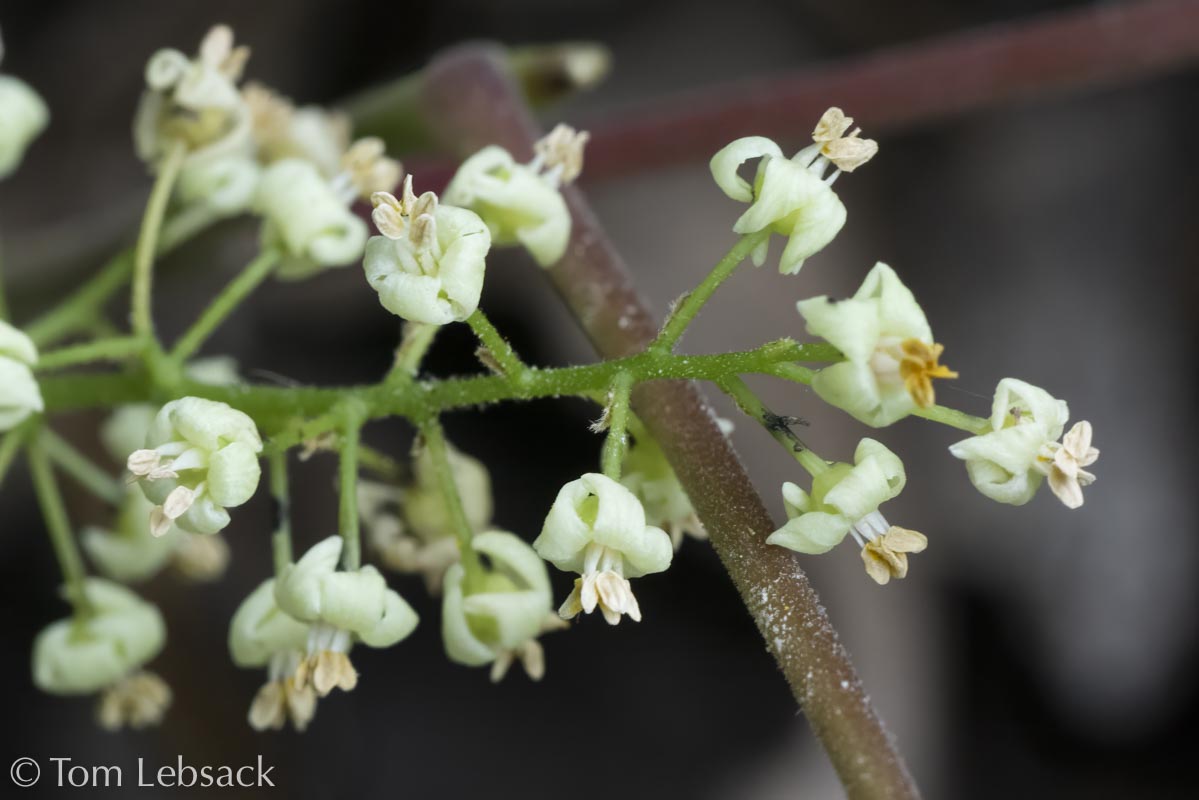
Toxicondendron radicans, Lockhart State Park, Caldwell Co. 4442
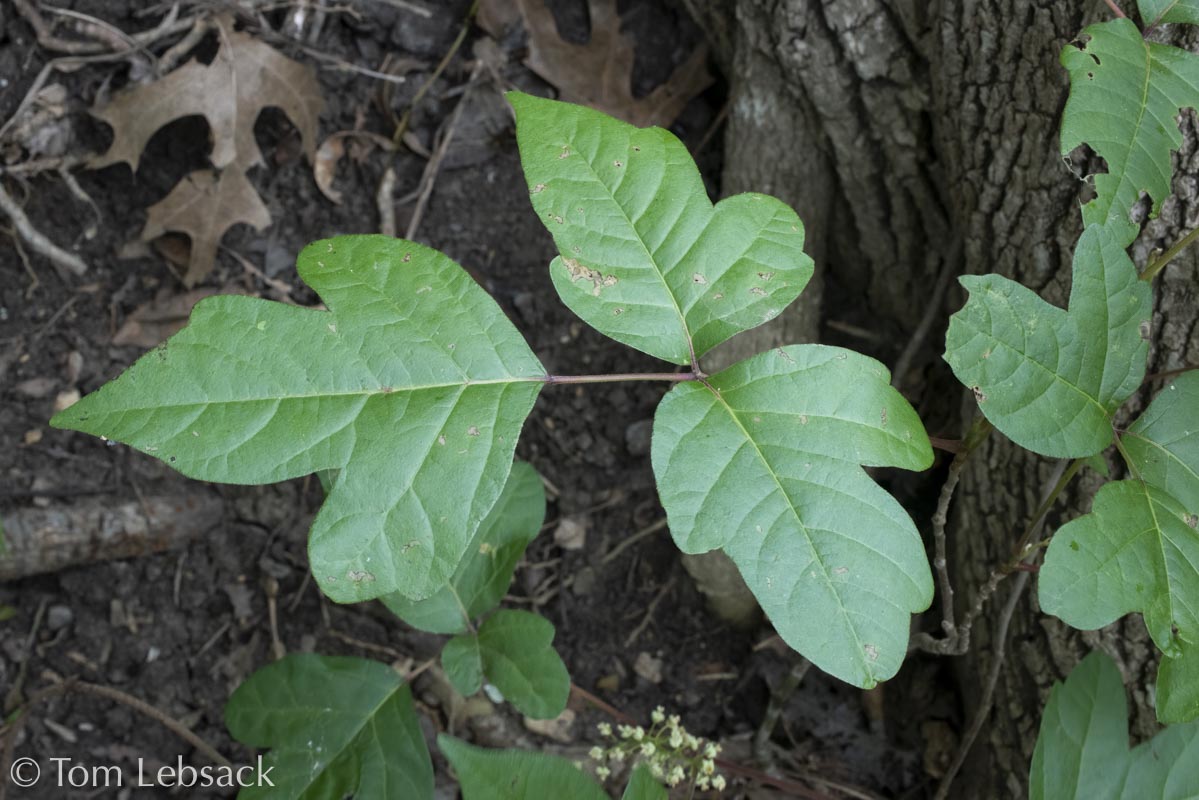
Toxicondendron radicans, Lockhart State Park, Caldwell Co. 4446
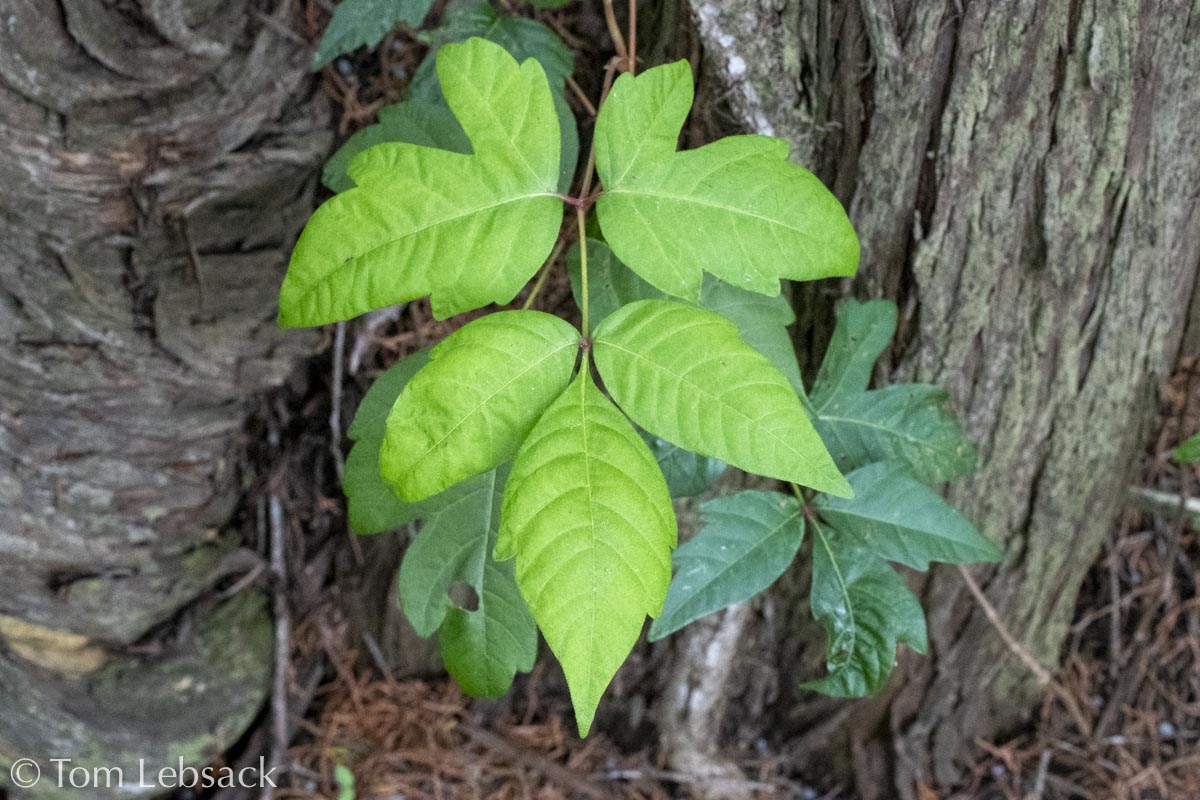
Toxicondendron radicans, McKinney Falls State Park, Travis Co. 5978
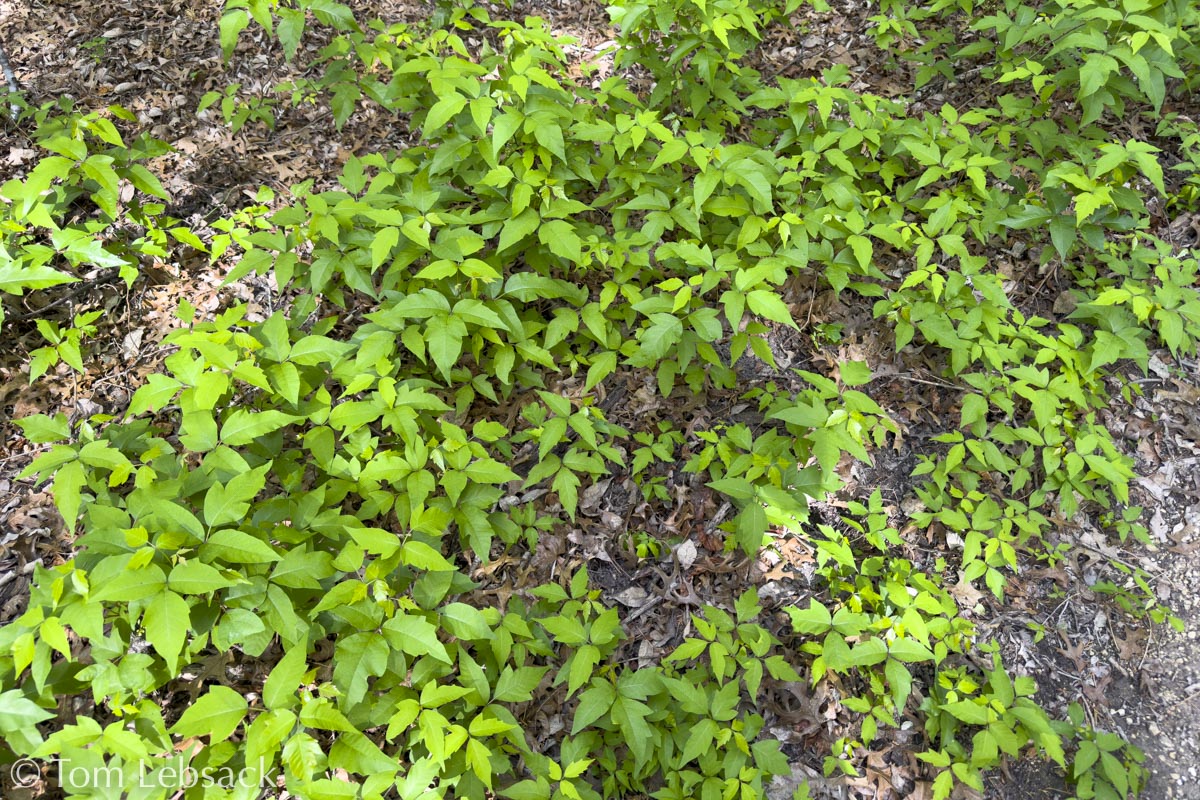
Toxicondendron radicans, Bonham State Park, Fannin Co. 6312
| Scientific Name | Toxicodendron radicans | USDA PLANTS Symbol | TORA2 |
| Common Name | Eastern Poison Ivy | ITIS Taxonomic Serial No. | 28821 |
| Family | Anacardiacaea (Sumac) | SEINet Reference |
Click Here |
| Description | Habitat: Various soils and locations including dry or wet woodlands, thickets, valleys, clearings, fence rows, roadsides and waste areas. Plant: Low-growing, creeping or erect shrub up to 4 ft. (or more) tall or a woody climbing vine having aerial rootlets that are shaggy, brown and 2 to 10 inches long; woody stems; new stems slender, green and hairy, becoming gray-brown and hairless with slightly rough bark. Leaves: Deciduous, alternate, compound trifoliate leaves on petioles 3/4 to 6+ inches long; variable leaflet sizes, shapes and lobing; leaflets are generally ovate or elliptic in outline and pointed at the tip and rounded or tapering at the base; leaflets 3 to 7 inches long and 2 to 4 inches wide; terminal leaflet is the largest with a petiolule (stalk) 3/4 to 2 inches long; the 2 lateral leaflets are short-stalked or nearly sessile; margins are entire, irregularly serrate, dentate, lobed, or incised; upper leaf surfaces shiny, the underside lighter in color and hairy especially along major veins. Inflorescence: Panicles of several to many small, rather inconspicuous flowers less than 1/4-inch across, white, greenish-white or yellowish-green with 5 petals; male and female flowers on separate plants; staminate (male) flowers have 5 stamens, pistillate (female) flowers have a rounded ovary in the center with a 3-lobed style at the top; sepals are green and hairless. Bloom Period: April and May. Fruit: Tight clusters of greenish-white berries in late spring, becoming dull white, each 1/4-inch across, and remaining on the plant through winter. References: "Range Plants of North Central Texas" by Ricky Linex, NC State Extension, Minnestota Wildflowers, Missouri Plants and SEINet. Note: There are several variants or subspecies of the plant, and the description here is a generalization of them. The plants in the photos appear be T. radicans ssp. verrucosum per "Shinners & Mahler’s Flora of North Central Texas" by Diggs, Lipscomb and O’Kennon. |
BONAP Distribution Map T. radicans 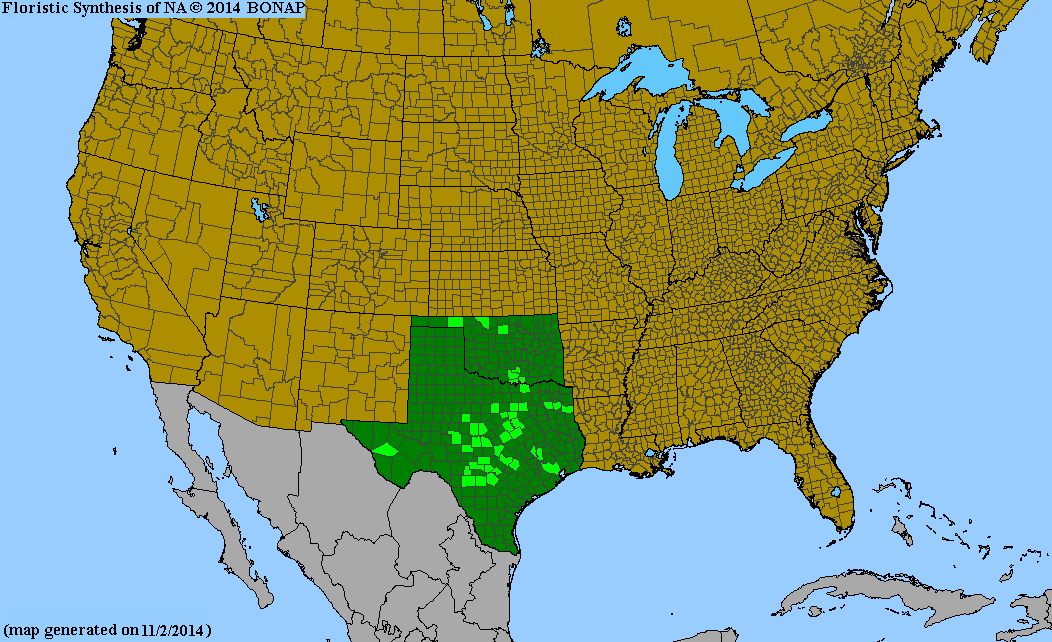 T. radicans ssp. verrucossumMap Color Key |
Texas Status: Native |
Banner photo of Castilleja indivisa and Lupinus ssp. taken along FM 1323 north of Johnson City, Blanco County
© Tom Lebsack 2026
Every attempt is made to provide accurate, up-to-date, and relevant information, but the completeness or accuracy of any information presented on this website cannot be guaranteed. I use authoritative references to insure high standards of accuracy and review and update the information frequently. Please contact me if you find errors.