Texas Wildbuds
Sapindus saponaria var. drummondii
(Western Soapberry)
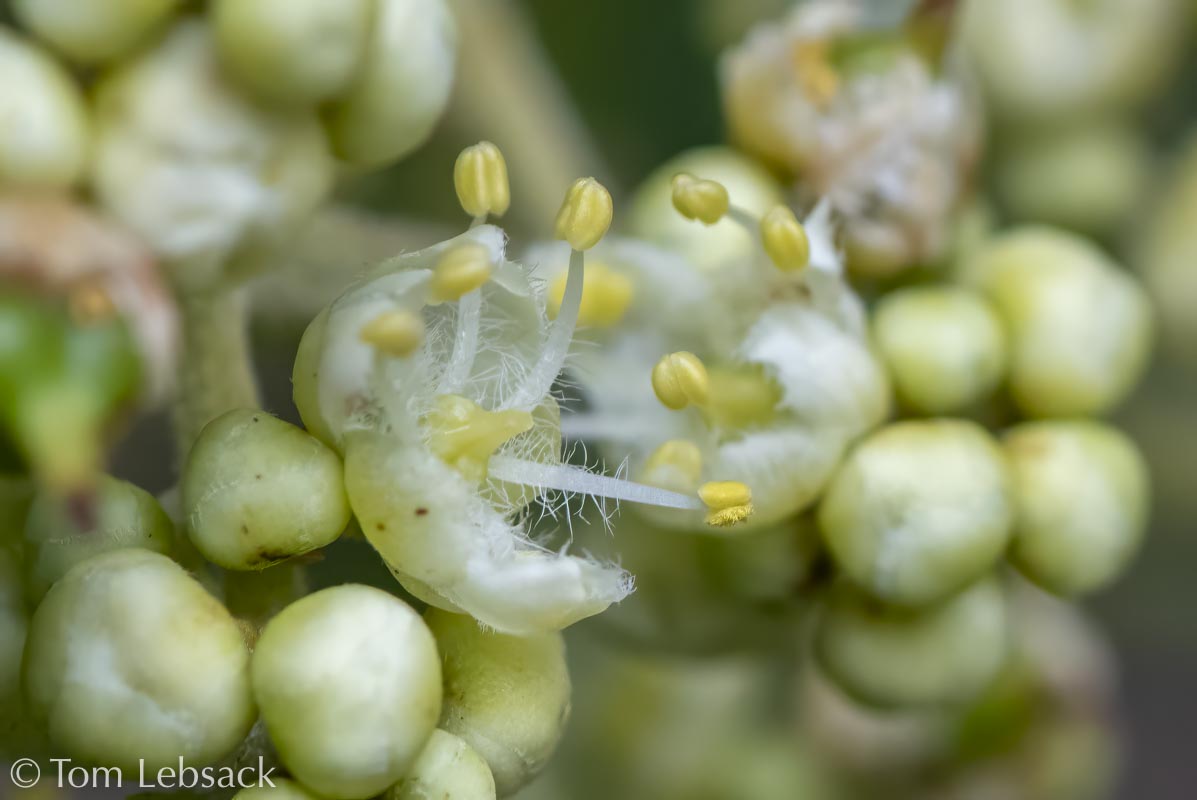
Sapindus saponaria var. drummondii Copper Breaks State Park, Hardeman Co. 6335
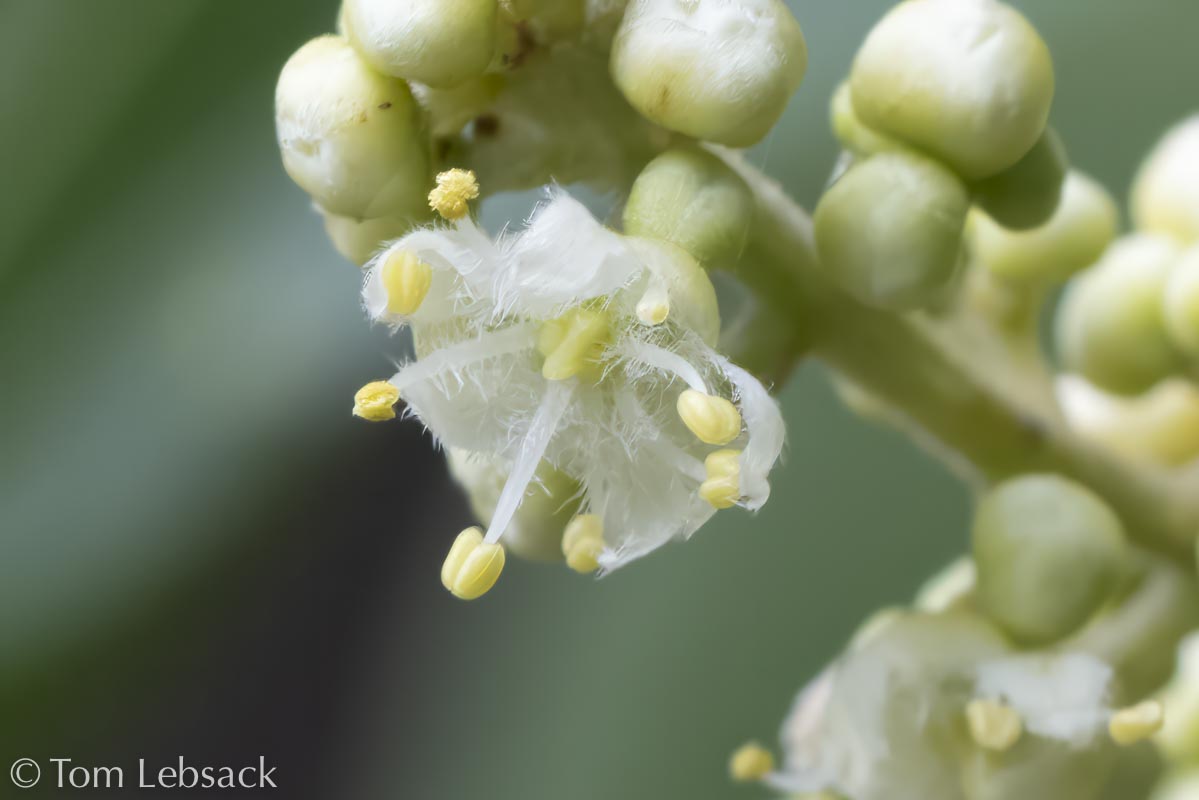
Sapindus saponaria var. drummondii Copper Breaks State Park, Hardeman Co. 6361
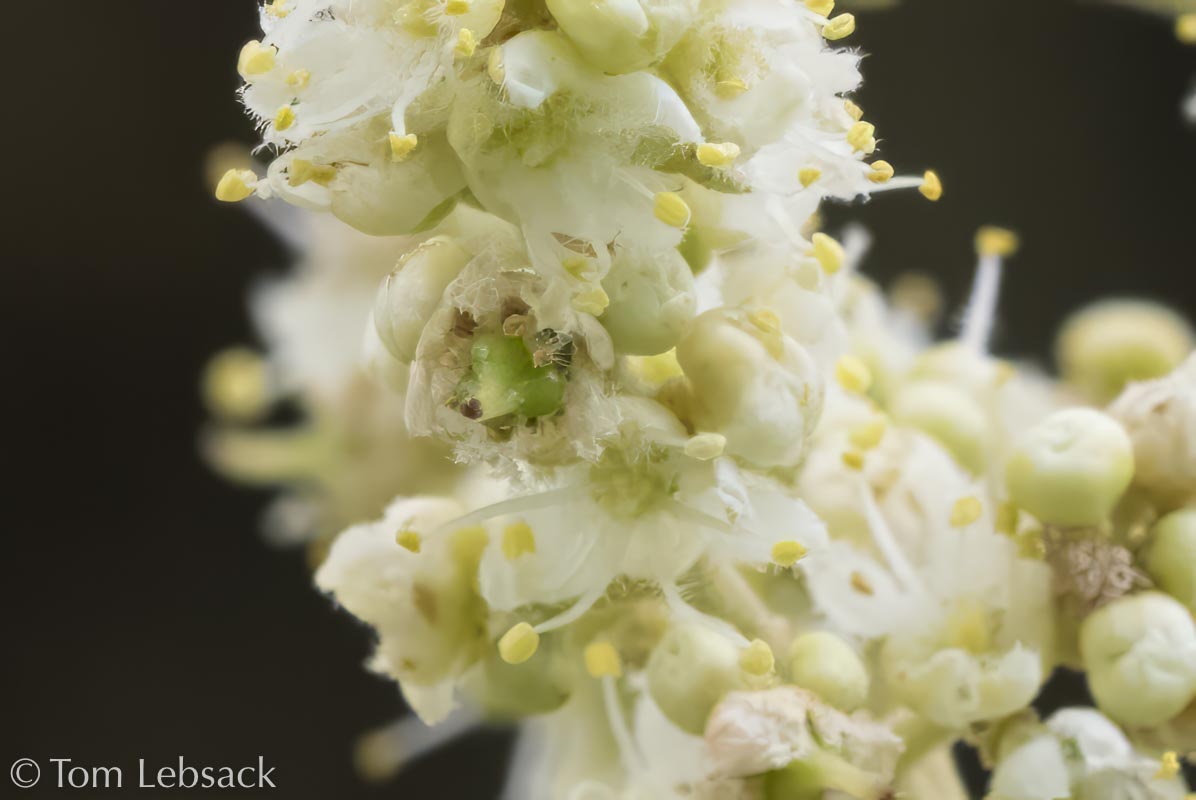
Sapindus saponaria var. drummondii Copper Breaks State Park, Hardeman Co. 6393
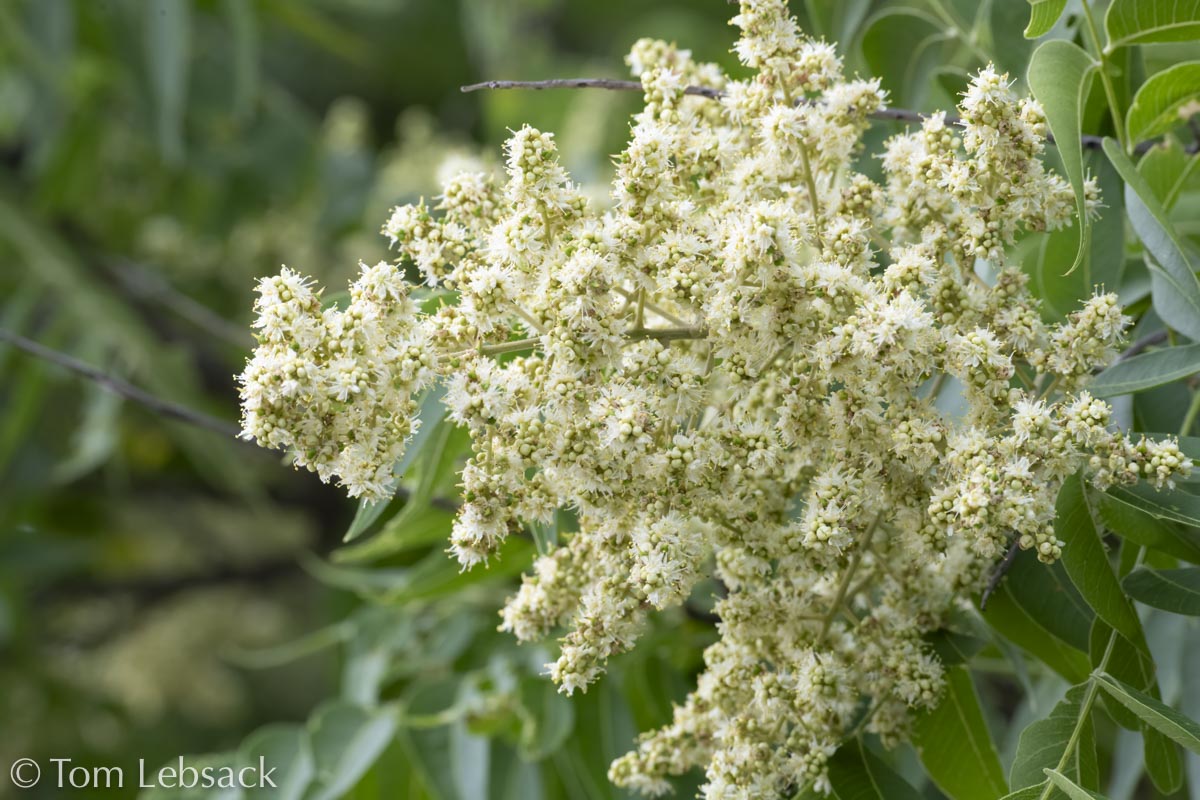
Sapindus saponaria var. drummondii Copper Breaks State Park, Hardeman Co. 6384

Sapindus saponaria var. drummondii Copper Breaks State Park, Hardeman Co. 6366
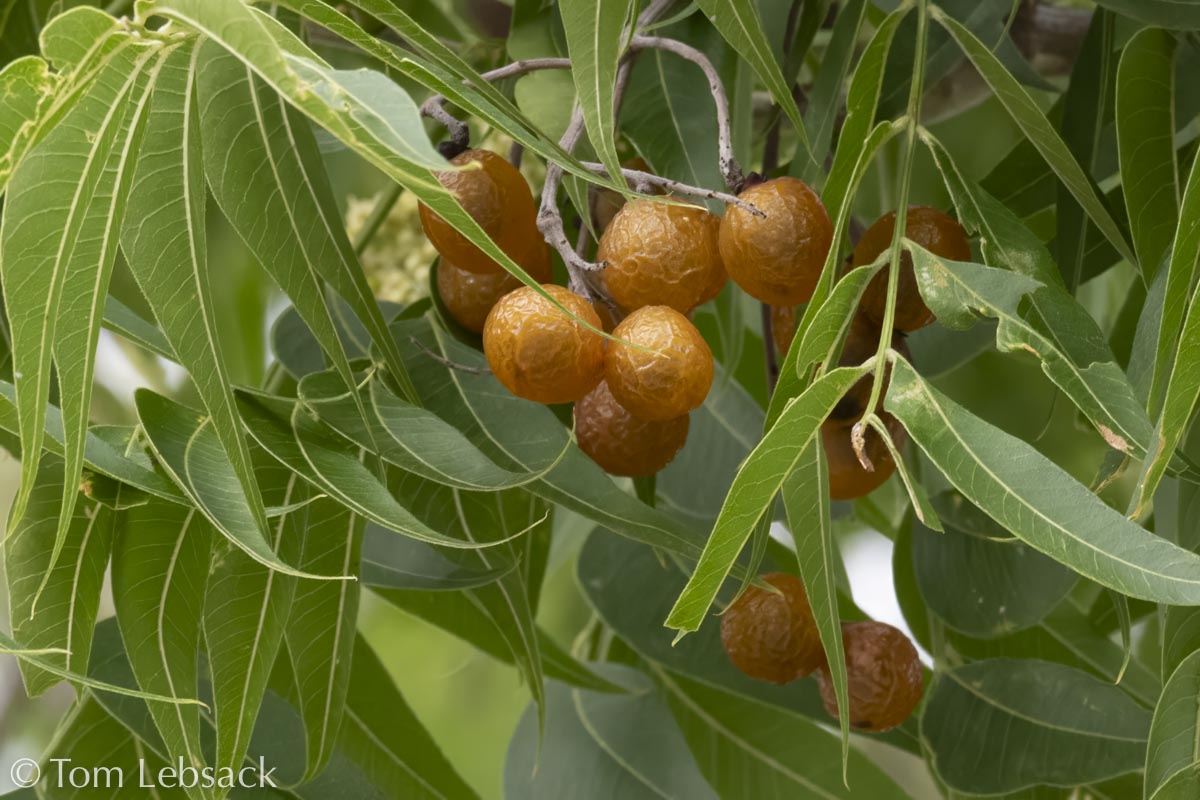
Sapindus saponaria var. drummondii Copper Breaks State Park, Hardeman Co. 6379

Sapindus saponaria var. drummondii Copper Breaks State Park, Hardeman Co. 6372
Sapindus saponaria var. drummondii Copper Breaks State Park, Hardeman Co. 7019
| Scientific Name | Sapindus saponaria var. drummondii (Sapindus drummondii) | USDA PLANTS Symbol | SASAD |
| Common Name | Western Soapberry | ITIS Taxonomic Serial No. | 530240 |
| Family | Sapindaceae (Soapberry) | SEINet Reference |
Click Here |
| Description | Habitat: Fields, stream banks, rocky slopes, edges of woodlands, prairie ravines, fencerows, waste places. Plant: Deciduous tree, usually less than 40 ft tall, but can grow up to 50 ft.; grove-forming; bark is grayish brown with shallow fissures. Leaves: Alternate, even-pinnately compound, 8 to 14 inches long; 12 to 20 alternate leaflets, elliptic-lanceolate to lanceolate 1.4 to 2.5 inches long, 0.2 to 1-inch wide, asymmetric with the base rounded on the broader side and tapering on the narrower side; margins are entire; tips are acuminate; green surfaces with obvious veins. Inflorescence: Large, terminal, pyramid-shaped panicles of unisexual flowers, 10 to 50 flowered, 6 to 8 inches long and about as wide; small white flowers about 1/4-inch across with 5 cup-shaped, hairy petals; staminate (male) flowers with 8 spreading, hairy stamens with light yellow anthers and sterile pistil; pistillate (female) flowers with sterile stamens, obvious green ovary and 1 pistil with 3-lobed stigma. Bloom Period: March to July. Fruit: Fleshy, round, berries about 1/2-inch in diameter, yellow turning darker with age, smooth becoming wrinkled, sometimes persistent until the next flowering season. References: "Manual of the Vascular Plants of Texas" by Correll and Johnston, Kansas Wildflowers and Grasses, Wildflower Center and Vascular Plants of Williamson County by A.C. Gibson. Note: In these photos staminate flowers are visible in 6335 and 6361, and pistillate in 6393. |
BONAP Distribution Map Map Color Key Map Color Key |
Texas Status: Native |
Banner photo of Castilleja indivisa and Lupinus ssp. taken along FM 1323 north of Johnson City, Blanco County
© Tom Lebsack 2026
Every attempt is made to provide accurate, up-to-date, and relevant information, but the completeness or accuracy of any information presented on this website cannot be guaranteed. I use authoritative references to insure high standards of accuracy and review and update the information frequently. Please contact me if you find errors.