Texas Wildbuds
Neonesomia palmeri
(Texas Desert Goldenrod)
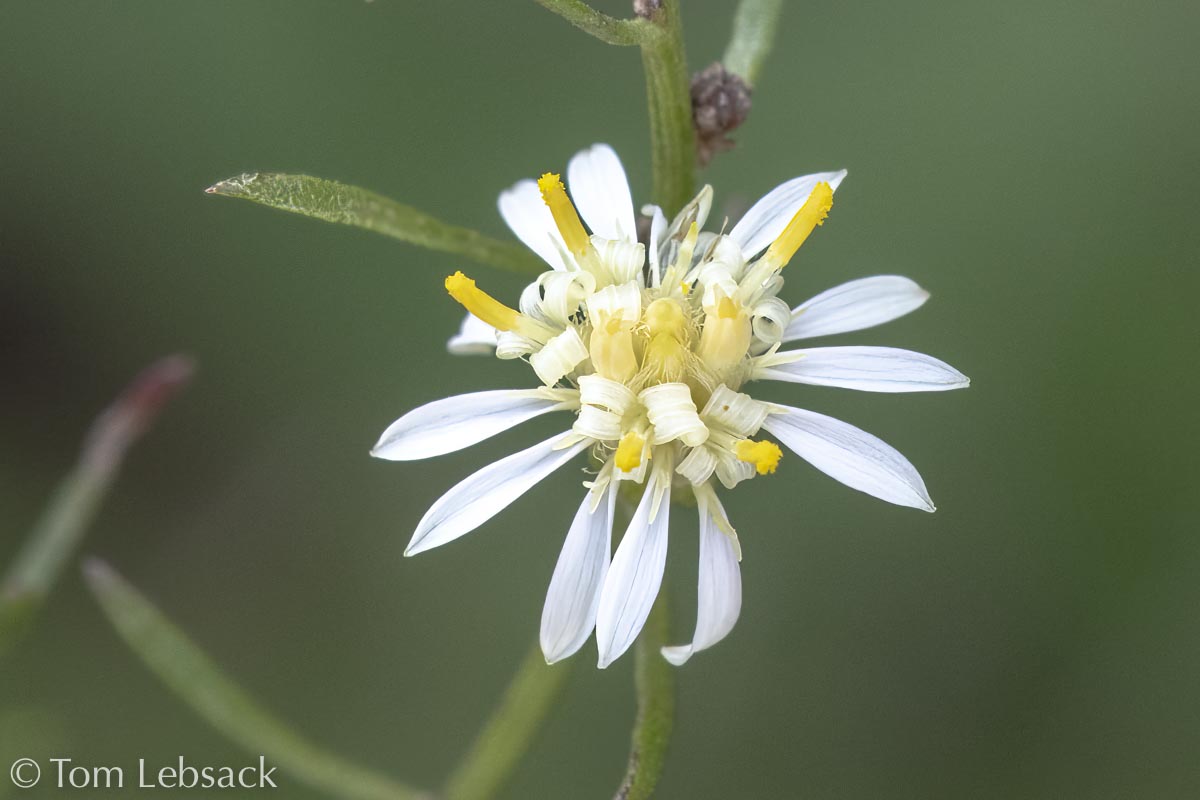
Neonesomia palmeri, Resaca de la Palma State Park, Cameron Co. 3669
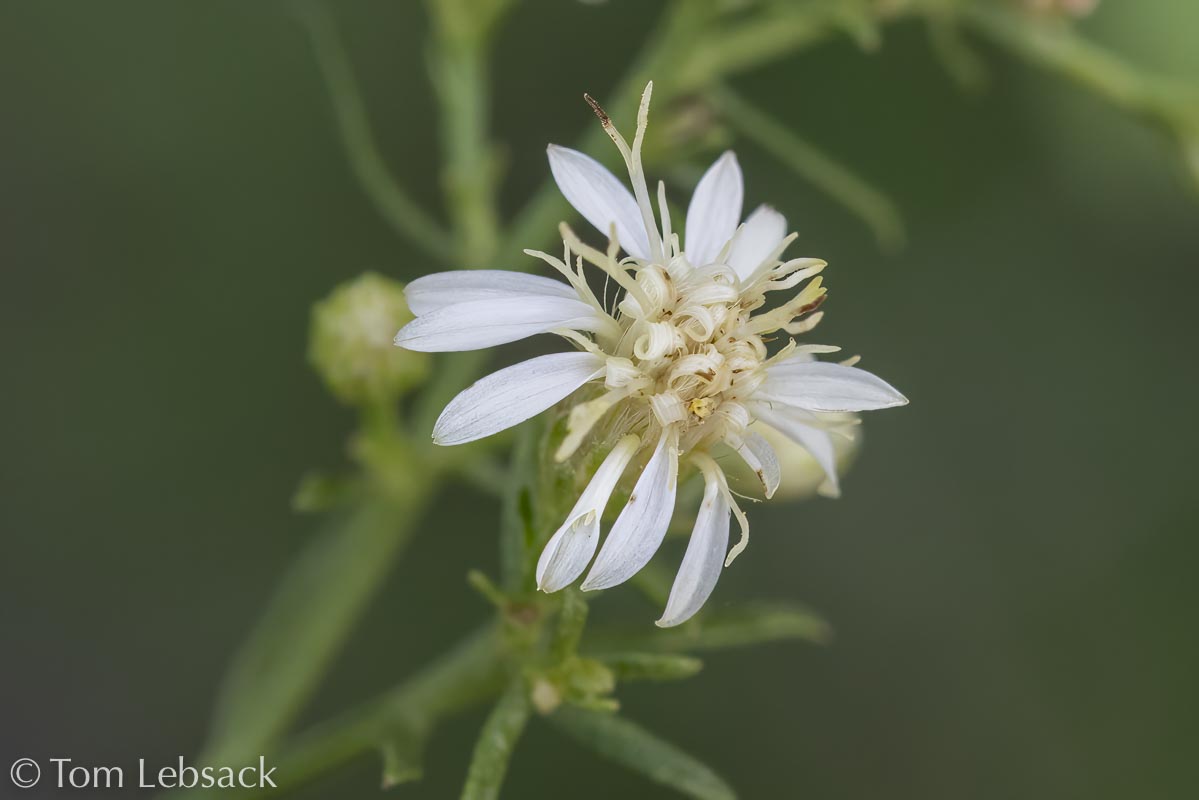
Neonesomia palmeri, Resaca de la Palma State Park, Cameron Co. 3661
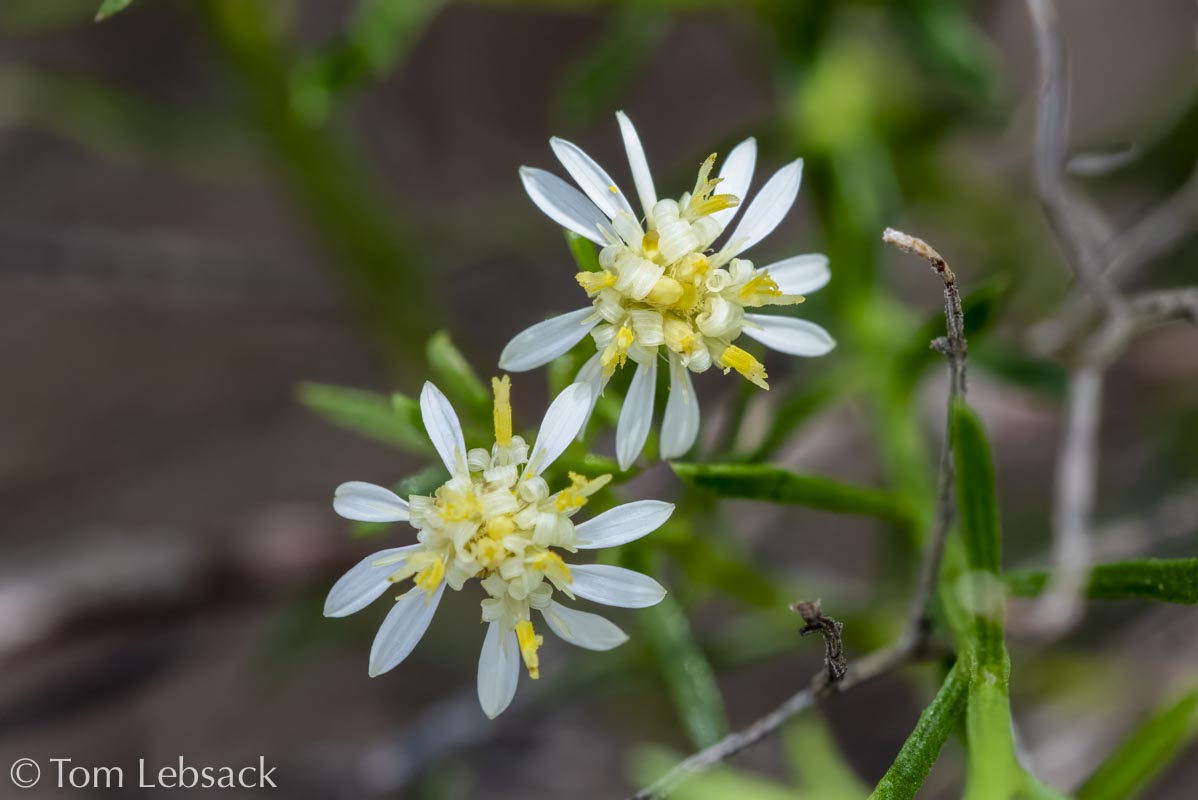
Neonesomia palmeri, Resaca de la Palma State Park, Cameron Co. 3671
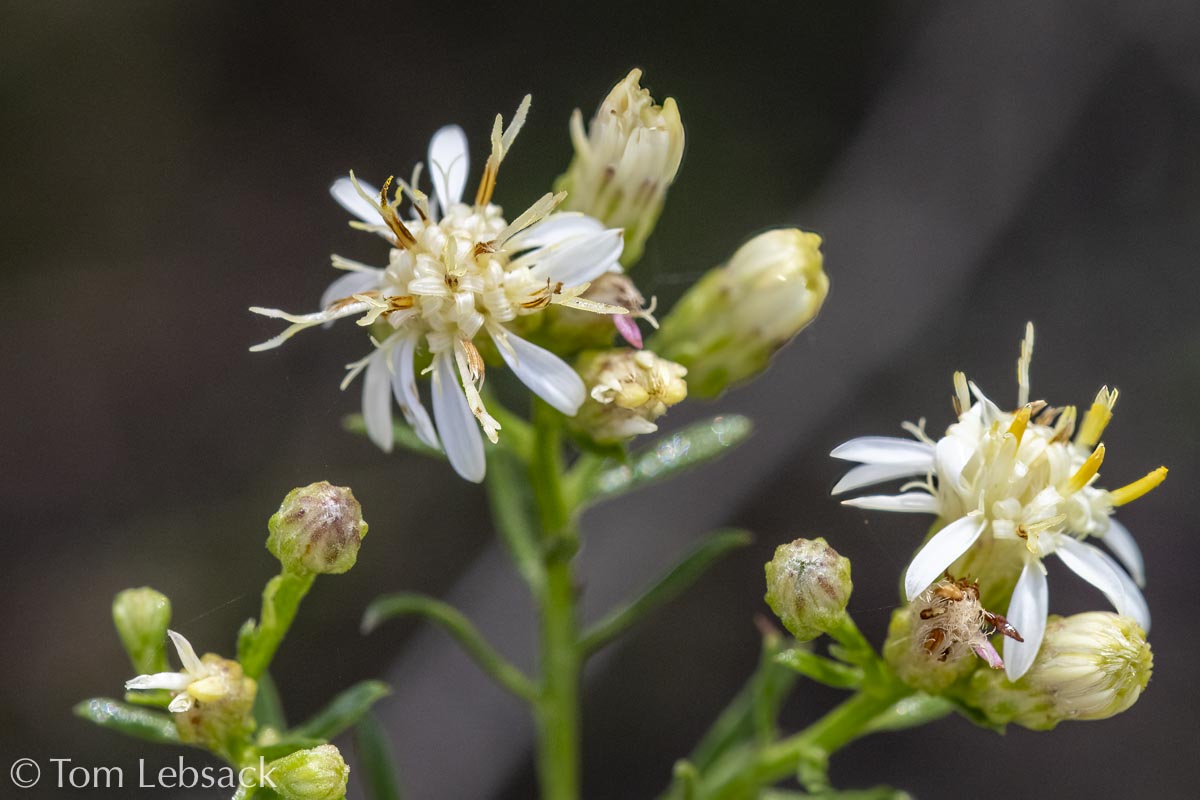
Neonesomia palmeri, Resaca de la Palma State Park, Cameron Co. 3658

Neonesomia palmeri, Resaca de la Palma State Park, Cameron Co. 3658
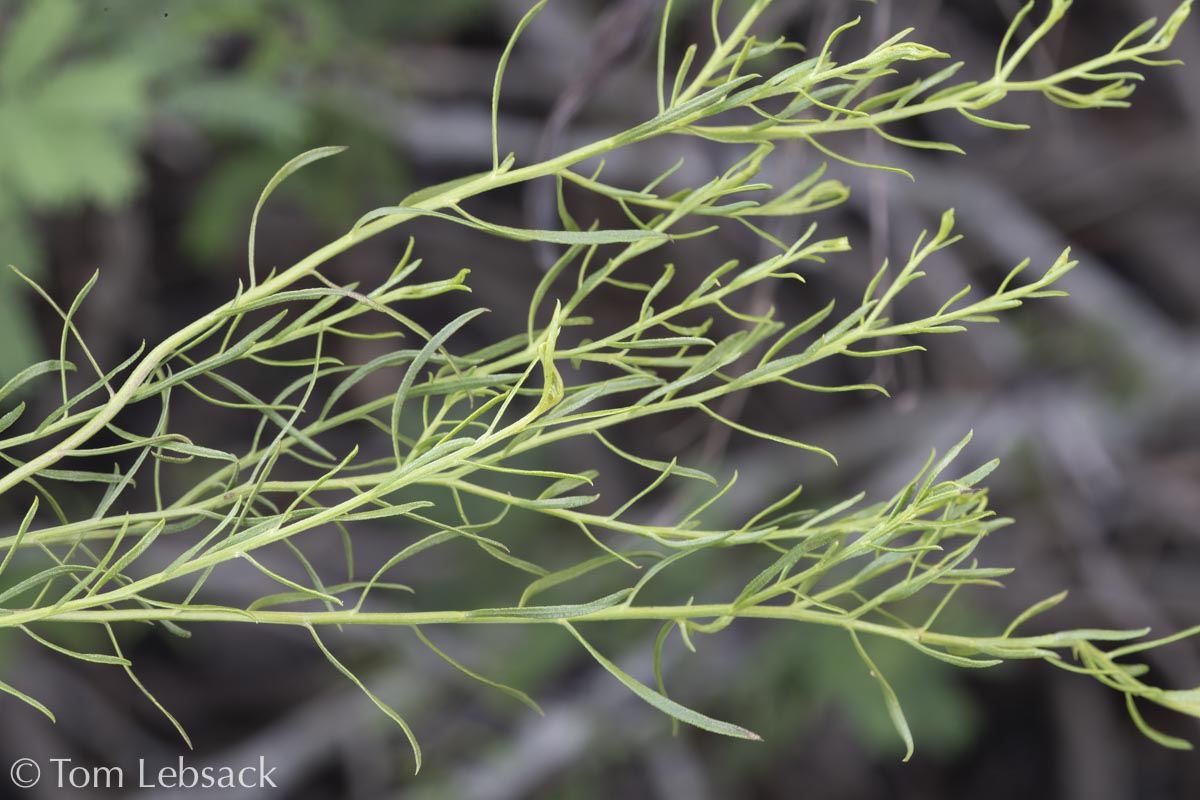
Neonesomia palmeri, Resaca de la Palma State Park, Cameron Co. 3675
| Scientific Name | Neonesomia palmeri (Medranoa palmeri, Xylothamia palmeri, Ericameria austrotexana) | USDA PLANTS Symbol | XYPA3 |
| Common Name | Texas Desert Goldenrod | ITIS Taxonomic Serial No. | 780458 |
| Family | Asteraceae (Sunflower) | SEINet Reference |
Click Here |
| Description |
Habitat: Saline to sandy soils in open areas in flats to steep slopes, coastal dunes and brushlands. Plant: Rounded evergreen shrub 20 to 60 inches tall; erect to ascending, much-branched stems with tan bark, becoming brown to gray; twigs mostly green with prominent ridges. Leaves: Narrow, alternate stem leaves, somewhat crowded, narrowly elliptic to oblanceolate, 3/8 to 1-1/8 inches long and 2 mm wide or less; sessile; surfaces sparsely to moderately hairy, minutely glandular and resinous (sticky). Inflorescence: Single or clusters of small composite flower heads about 1/4-inch across at branch tips and leaf axils; each with 5 to 15 white to pale yellow rays, 8 to 20 disk florets with 5 white to pale yellow curled to spreading corollas lobes, and cylindric, yellow tubes; bell-shaped involucre with 18 to 24 phyllaries in 3 to 5 layers, narrowly elliptic to lanceolate or obovate, resinous. Bloom Period: May to October. References: Ericameria austrotexana in "Manual of the Vascular Plants of Texas" by Correll and Johnston, Medrano palmeri in Flora of the Southeastern United States and Neonesomia palmeri in Flora of North America. |
BONAP Distribution Map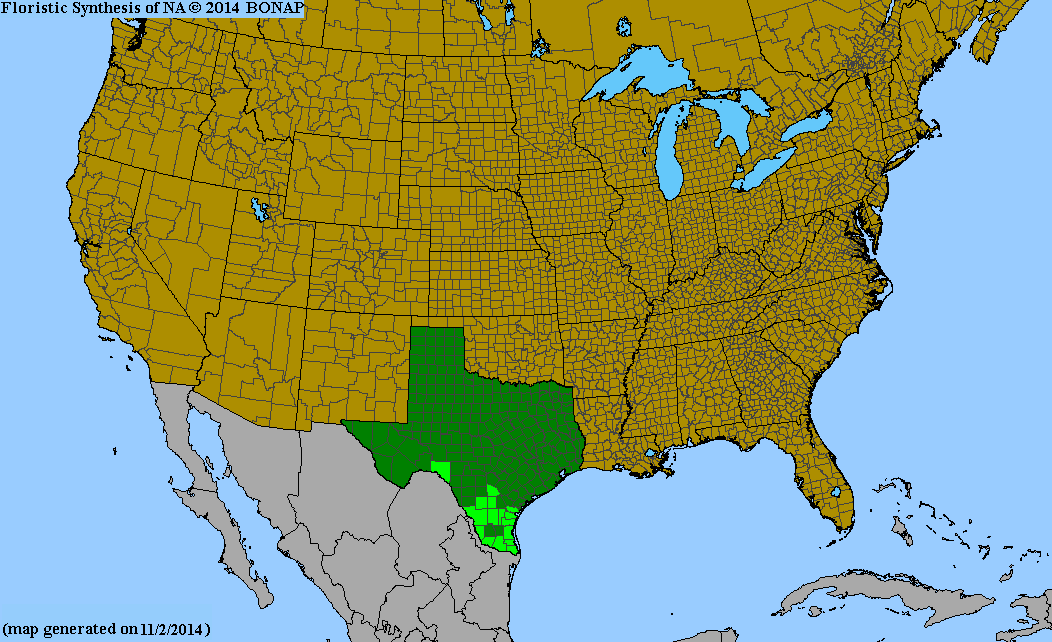 Map Color Key Map Color Key |
Texas Status: Native |
Banner photo of Castilleja indivisa and Lupinus ssp. taken along FM 1323 north of Johnson City, Blanco County
© Tom Lebsack 2026
Every attempt is made to provide accurate, up-to-date, and relevant information, but the completeness or accuracy of any information presented on this website cannot be guaranteed. I use authoritative references to insure high standards of accuracy and review and update the information frequently. Please contact me if you find errors.