Texas Wildbuds
Astragalus lotiflorus
(Lotus Milkvetch)
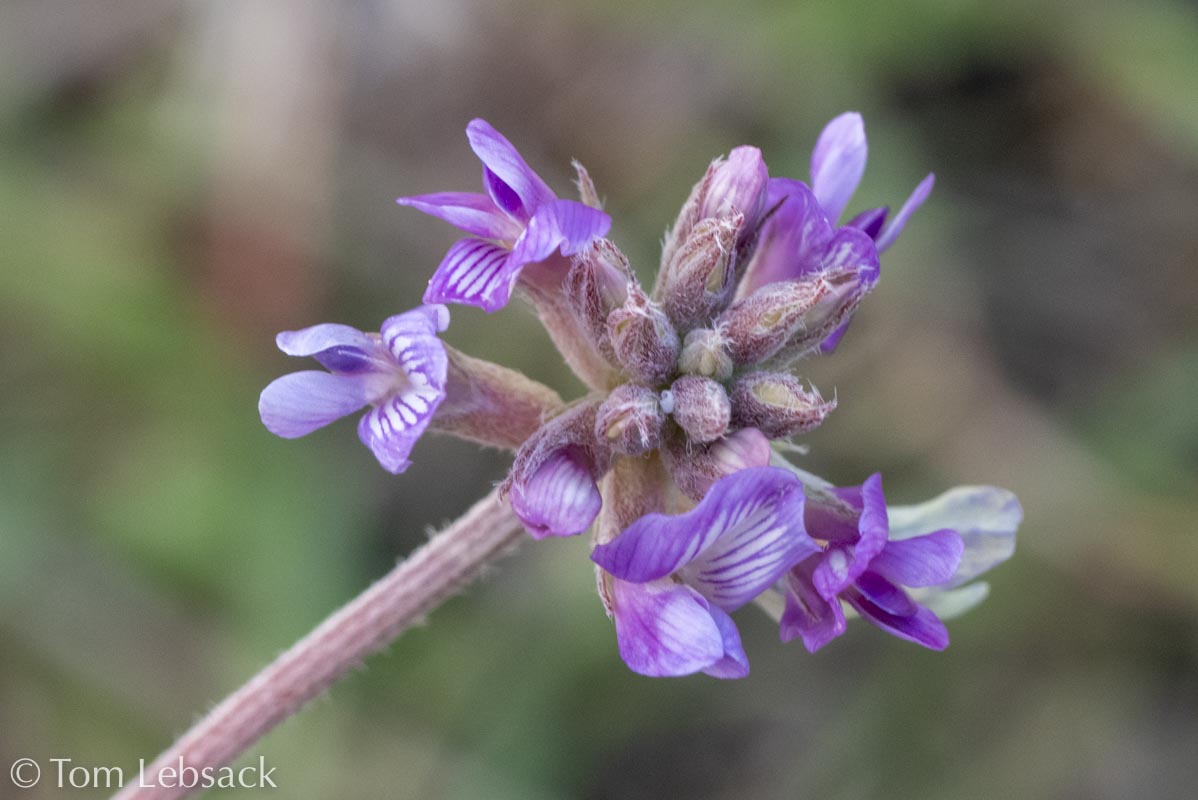
Astragalus lotiflorus, Bonham State Park, Fannin Co. 4891
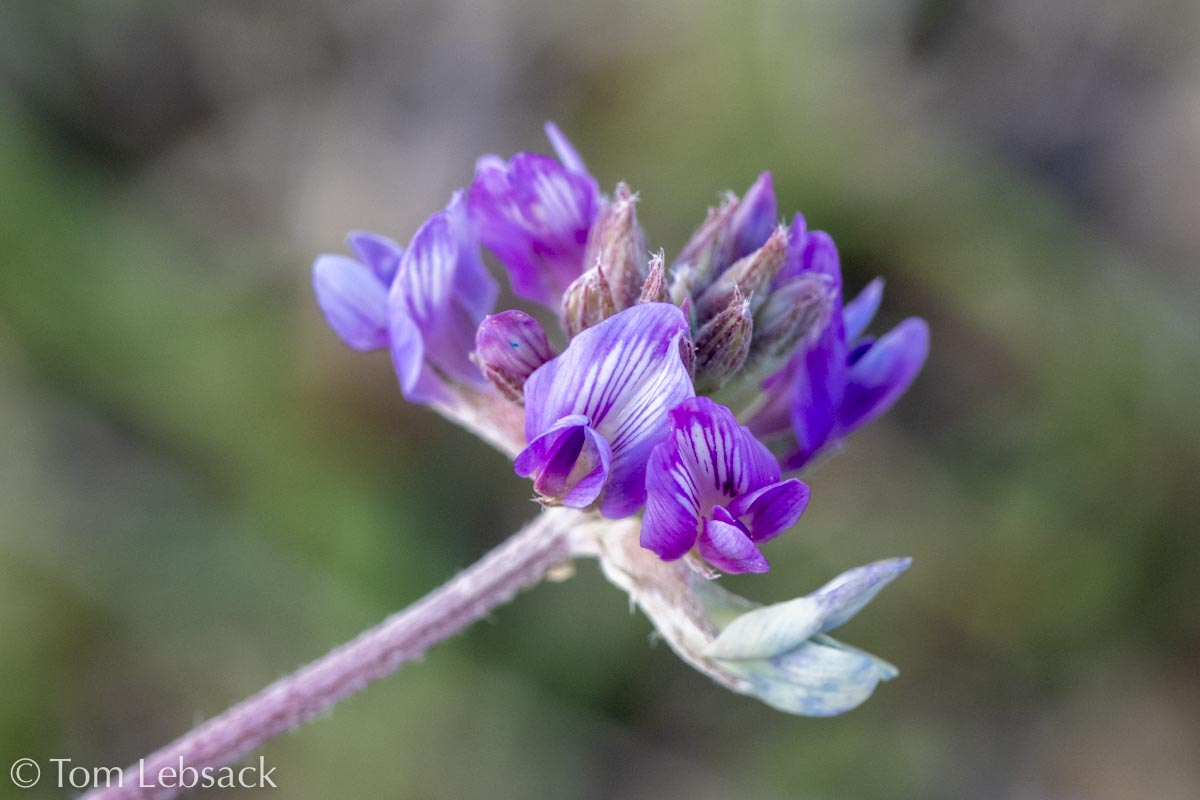
Astragalus lotiflorus, Bonham State Park, Fannin Co. 4901
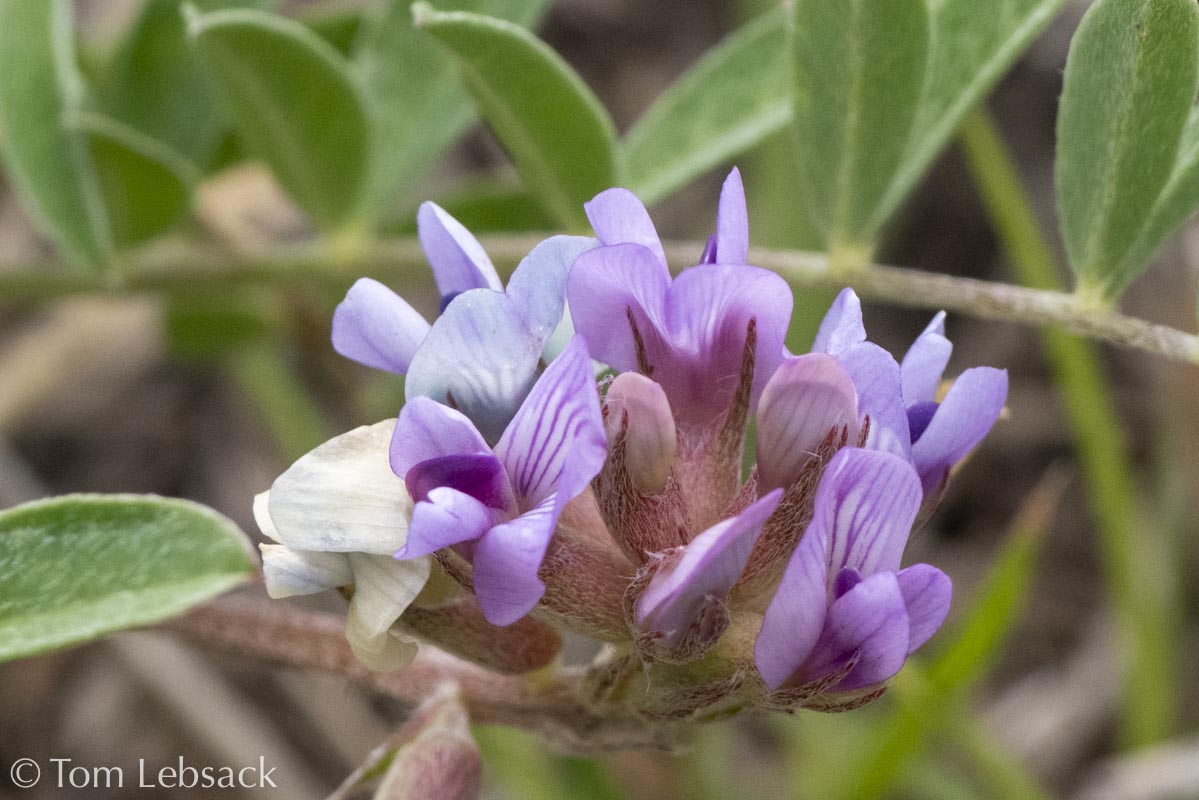
Astragalus lotiflorus, Bonham State Park, Fannin Co. 4876
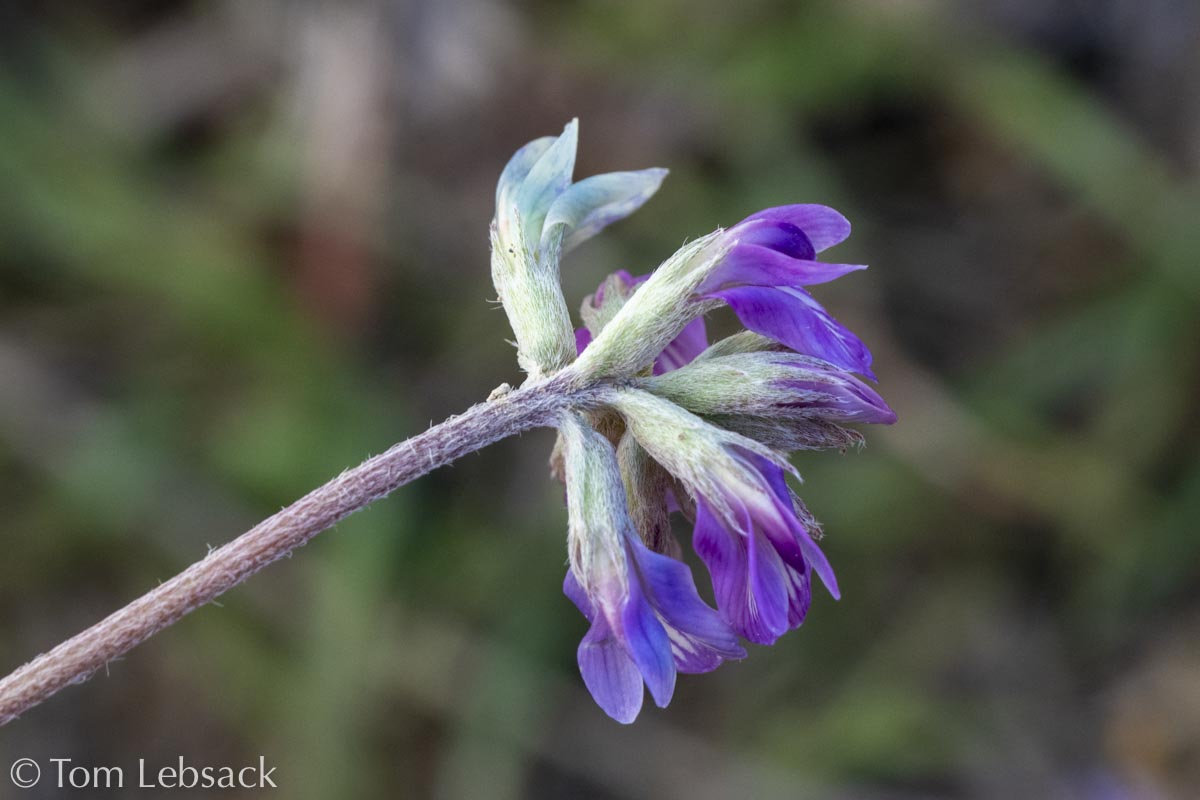
Astragalus lotiflorus, Bonham State Park, Fannin Co. 4893
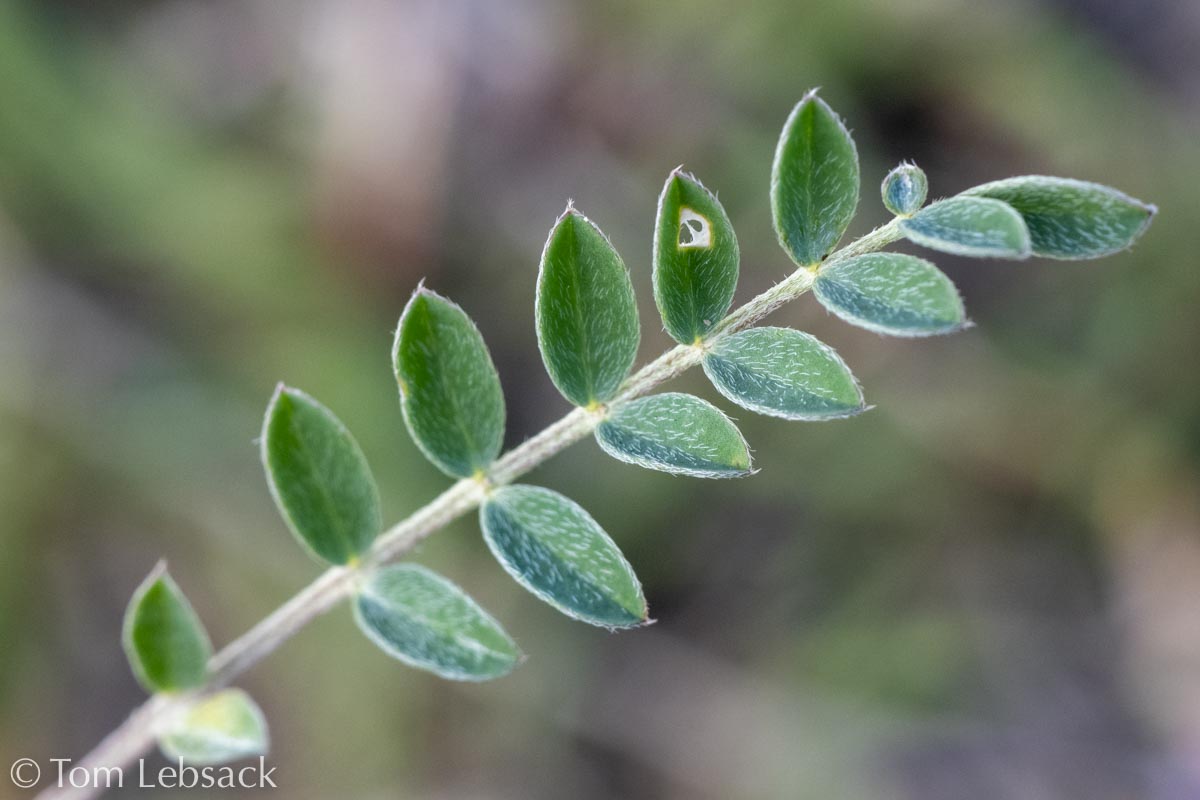
Astragalus lotiflorus, Bonham State Park, Fannin Co. 4906
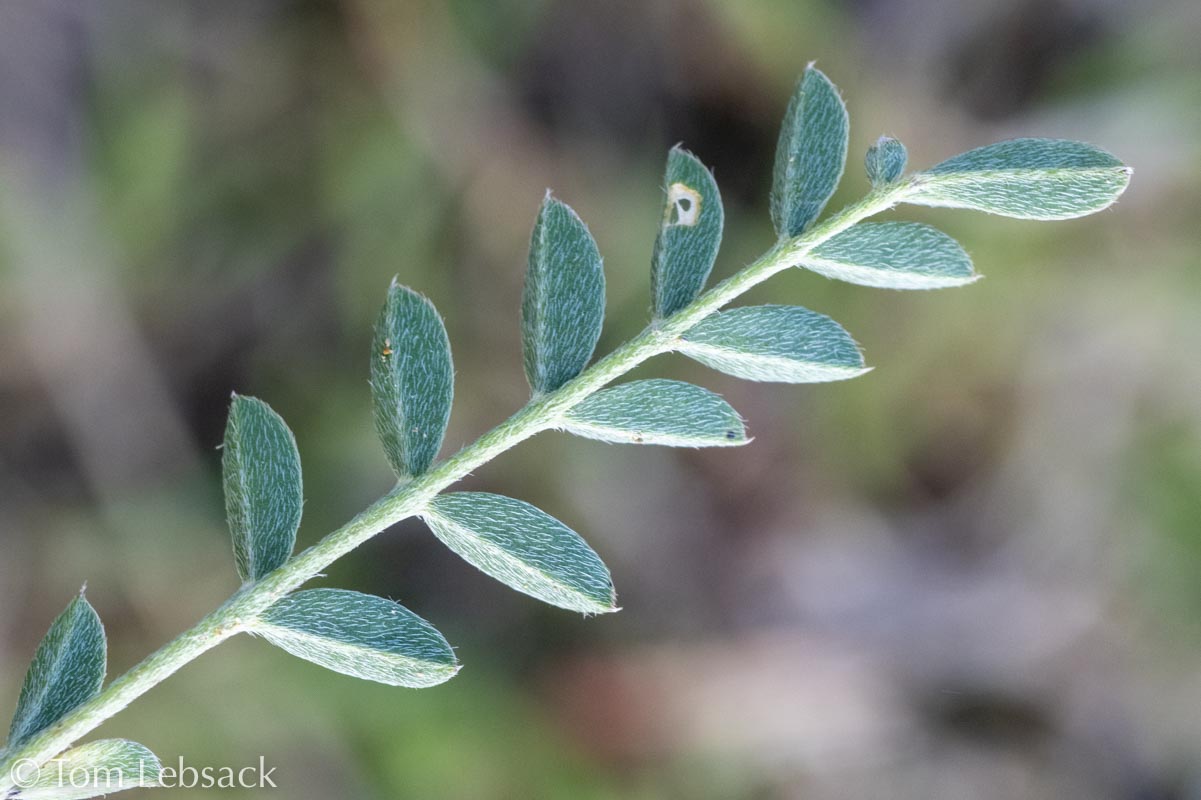
Astragalus lotiflorus, Bonham State Park, Fannin Co. 4902

Astragalus lotiflorus, Bonham State Park, Fannin Co. 4902
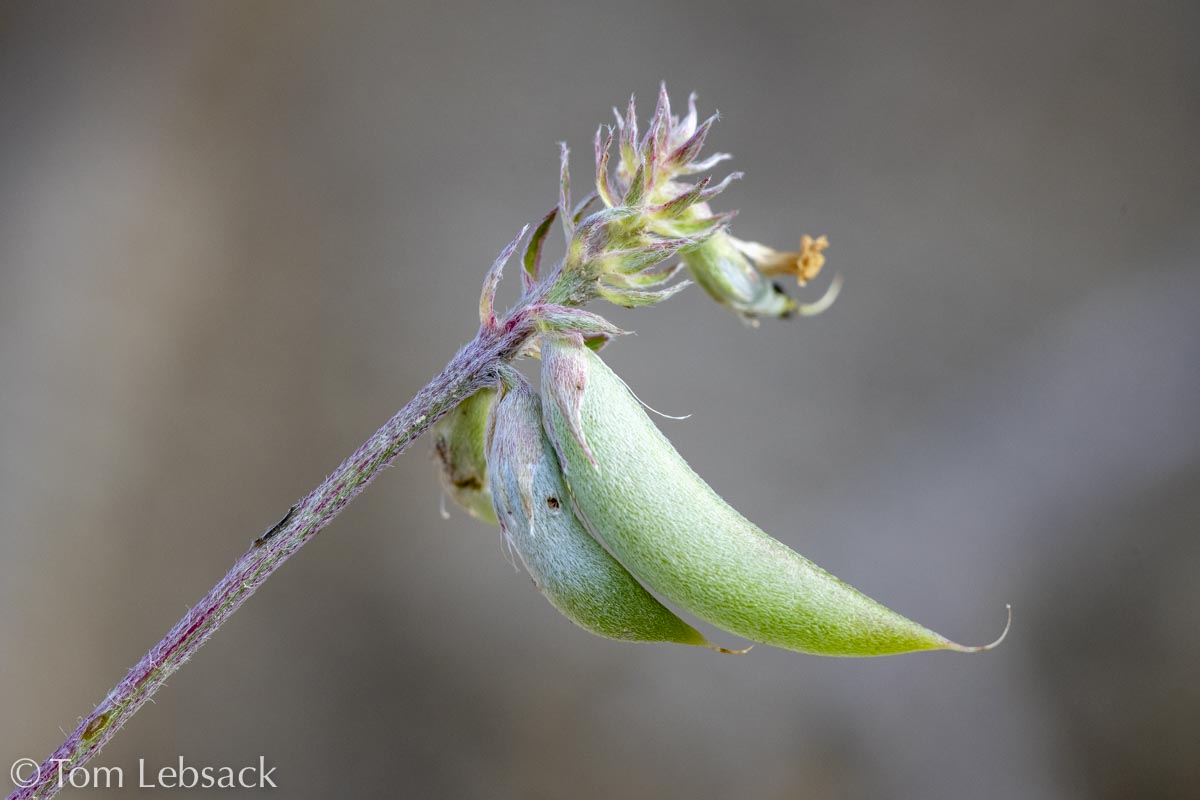
Astragalus lotiflorus, Bonham State Park, Fannin Co. 5180
| Scientific Name | Astragalus lotiflorus | USDA PLANTS Symbol | ASLO4 |
| Common Name | Lotus Milkvetch, Low Milkvetch | ITIS Taxonomic Serial No. | 25568 |
| Family | Fabaceae (Pea) | SEINet Reference |
Click Here |
| Description | Habitat: Various soils in rocky prairie hillsides, bluffs, canyons, roadsides, waste areas, pond and lake shores. Plant: Low, short-lived perennial, loosely or densely tuft-forming from a stout taproot, up to 6 inches tall; stems prostrate or decumbent to erect; herbage has fine, dense pubescent hairs. Leaves: Alternate, pinnately-compound leaves 1 to 4-1/3 inches long with each blade divided into 7 to 17 elliptic, oblong, or lanceolate leaflets less than 1/5 to nearly 1-inch long, the terminal one longer than the adjacent pair; surfacees with appressed, pubescent hairs, moreso on the underside. Inflorescence: Two kinds of flowers, regular and self-pollinating, usually on separate plants; the regular flowers (chasmogamous) are in terminal ovoid or round clusters ~1 inch across on ascending peduncles 1-5/8 to 4-3/4 inches long, 3 to 17 purplish pea-like blossoms in each, each blossom about 1/2-inch long, the upper petal (banner) is erect and mostly white to creamy yellow or with shades of pink or purple and darker purplish streaks in the center; two laterals petals are half as long, calyx lobes are awl-like and covered in white hairs; the self-pollinating flowers (cleistogamous) are inconspicuous and borne 1 to 5 together on short stalks at the plant base. Bloom Period: March and April. Fruit: Pods are similar in both flower types, straight or slightly incurved, oblong-ellipsoid or spindle-shaped, 1/2 to 1-1/4 inches long, 1/5 to 1/3 inch wide, with pubescent hairs. References: "Manual of the Vascular Plants of Texas" by Correll and Johnston, "Shinners & Mahler’s Flora of North Central Texas" by Diggs, Lipscomb and O’Kennon, Flora of North America, and Minnesota Wildflowers and Kansas Wildflowers and Grasses. |
BONAP Distribution Map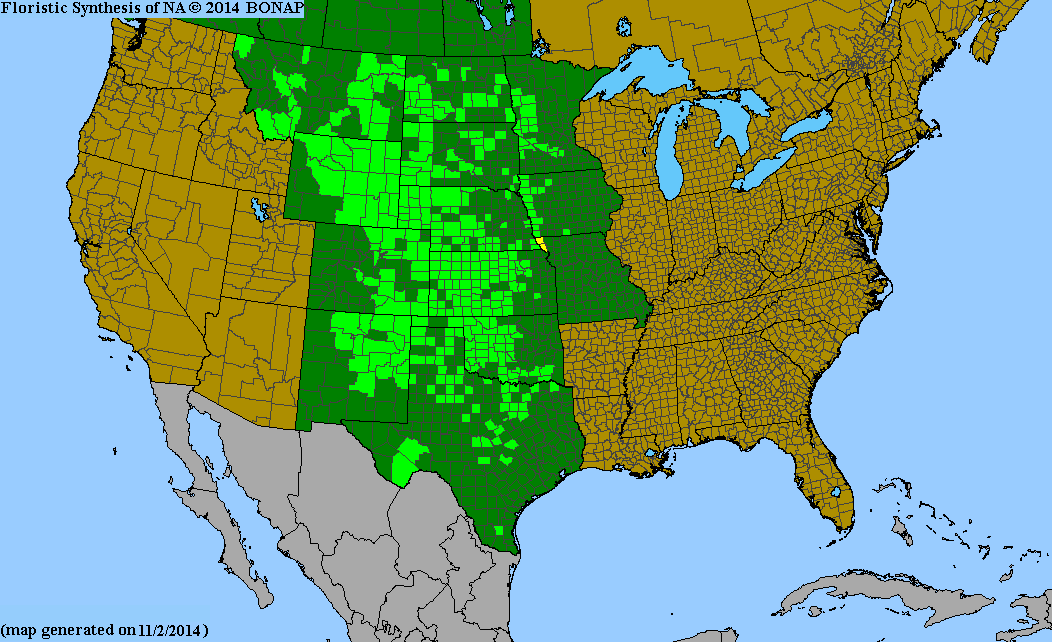 Map Color Key Map Color Key |
Texas Status: Native |
Banner photo of Castilleja indivisa and Lupinus ssp. taken along FM 1323 north of Johnson City, Blanco County
© Tom Lebsack 2026
Every attempt is made to provide accurate, up-to-date, and relevant information, but the completeness or accuracy of any information presented on this website cannot be guaranteed. I use authoritative references to insure high standards of accuracy and review and update the information frequently. Please contact me if you find errors.